 Day Trips from Guadalajara
Best Time to Visit Guadalajara: A Month-by-Month Guide for Day Trips
Last reviewed September 2026
The best time to visit Guadalajara for day trips is the four-month window from November through February: highs of 25 to 27C, dry roads to Tequila and the lake shore, and no afternoon storms. March to May runs hotter and just as dry, which suits the lake more than the sun-exposed pyramid terraces at Guachimontones. June through September brings the rains, mostly as afternoon and evening storms rather than washed-out days, and October resets to dry roads with the city's biggest festival running through it. Every season here is framed around what it does outside the city, not just inside it, since day trips out of Guadalajara are the point of the question in the first place.
Quick answer The dry window, the hot window, and what the rains actually change
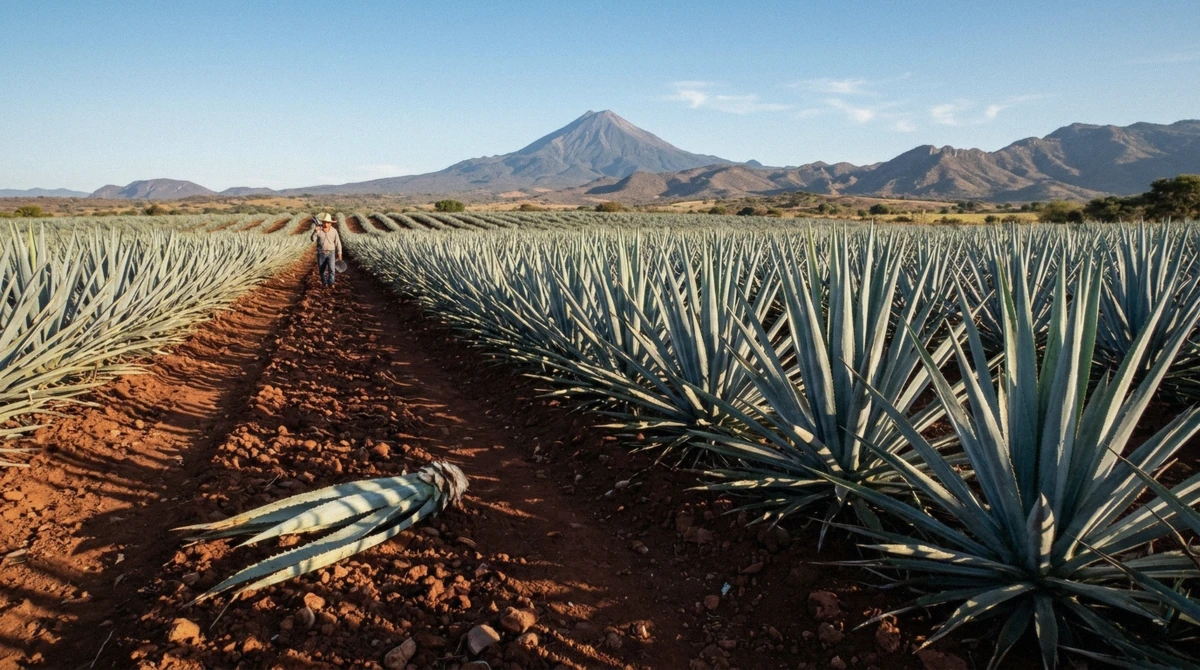
November through February is the strongest window for day trips: dry roads to Tequila and the sierra, cool mornings, and the fields around the agave valley photograph well without haze. March to May is just as dry but hotter, so it favors the lake and boat trip over the shadeless terraces at Guachimontones. June to September is the rainy season, and the storms tend to arrive in the afternoon or evening rather than settling in all day, so a morning departure still works. October is the reset month: rain eases, roads dry out, and the city's Fiestas de Octubre runs through most of it. Whether the routes themselves are safe to drive is a separate question, answered in one line here and in full on the day-trip safety guide.
Key takeaways
- Driest, mildest window: November to February, highs around 25 to 27°C
- Hottest window: April and May, highs of 32°C or higher before the rains break
- Wettest month: July at about 219 mm; storms mostly hit afternoon and evening
- Mazamitla in the sierra sits about 600 meters higher and runs noticeably cooler year round
- October pairs dry roads with the city's Fiestas de Octubre
- The tequila and lake routes are not affected by the rainy season the way the sierra roads are
Seasons at a Glance
Four blocks of the year behave differently once you leave the city, and the differences show up on the road, at the pyramids and on the lake before they show up on a thermometer. Temperature and rainfall figures are the Guadalajara climate normals; the fair dates come from the organisers and local press, read in September 2026.
How the four seasons compare
The table below groups the year by what actually changes for someone driving out to Tequila, Chapala or the sierra rather than by the calendar alone. Read the Verdict column first, then the Day-trip conditions column for the reason behind it.
| Season | Weather | Day-trip conditions | Crowds | Verdict |
|---|---|---|---|---|
| Dry and mild (November to February) | Clear skies, cool mornings, highs 25 to 27°C | Roads dry, agave fields at their most photogenic, lake calm | High around the holidays, moderate otherwise | Best all-round window |
| Hot and dry (March to May) | Hottest, driest air, highs 30 to 34°C, hazy by afternoon | Guachimontones terraces exposed with no shade; the lake stays the more comfortable stop | Moderate, Semana Santa spikes | Good, but plan for the sun |
| The rains (June to September) | Afternoon and evening storms, highs ease to 27 to 30°C, wettest in July | Toll roads wet in the afternoon; the sierra greens up fast | Lower than the dry months | Mornings still work |
| The reset (October) | Rain eases, skies clear again, highs return to about 27°C | Dry roads return with the green landscape still lingering | Rising toward the holiday season | Arguably the single best month |
What the table doesn't show
None of these four windows rules a trip out entirely. The rainy season removes the all-day-outdoors option, not the day trip itself, and the hot season removes comfort at one specific stop rather than the whole route. The trade-off is between which discomfort you would rather manage.
Dry and Mild: November to February
The driest and coolest stretch of the year, and the one where the roads out of the city cause the least worry.
Why this window works for every route
Daytime highs sit around 25°C in December and January and climb only to 27°C by February, with cool mornings that make an early departure comfortable rather than a reason to wait. The unshaded stone terraces at the Guachimontones pyramids are at their best in this window: no summer haze, no afternoon downpour risk, and cooler footing on the uphill walk from the parking area. The trade-off is crowding around the December holidays and the run-up to the Feria Nacional del Tequila in Tequila town itself, both worth booking ahead for.
Best Season by Traveller Type
If You want the agave valley at its most photogenic
November to February, when the light is low and clean and the fields are dry underfoot. Time it with the Feria Nacional del Tequila if crowds do not put you off.
If You are bringing children
October or November: warm but not hot, no afternoon storms, and the Mazamitla eco-park day runs comfortably in the cooler mountain air.
If You are travelling on a budget
June to September. The rains keep visitor numbers down and the tequila valley is green rather than dusty; carry a waterproof and expect an afternoon shower rather than a lost day.
If You want the lake at its best
July to October, after the rains have refilled Lake Chapala. The shore towns look their best and the boat trip runs on higher water.
If You cannot stand heat
Avoid April and May outright. Highs run to 32C and above with no shade on the Guachimontones terraces.
Hot and Dry: March to May
Still dry, but no longer mild, and the heat lands differently depending on where the day is spent.
The driest month sets up the hottest ones
March is the driest month of the year at only about 4 mm of rain, and the heat builds from there: April reaches 32°C and May runs 32 to 34°C, the hottest stretch before the rains break in June. Open ground bakes at Guachimontones and in the agave fields, which is when the Lake Chapala and Ajijic boat trip earns its place: water, shade at the pier and a breeze off Mexico's largest lake all count for more here than in the cooler months. Semana Santa, the week before Easter, brings a real spike in both heat and demand for anything lake-adjacent.
The Rains: June to September
The wettest four months of the year, and the ones a day trip actually adapts to more easily than the name suggests.
Rain begins in June, peaks in July
Rains typically start in June, when highs ease to around 30°C, and July is the wettest month of the year at about 219 mm, with August staying wet and green. September brings the rain back down as highs settle near 27°C. Storms in this window tend to build through the afternoon and break in the evening rather than sitting over the region all day, which is why every route on this site is built around a morning departure regardless of season. Wet toll roads in the late afternoon are also part of why the day-trip safety guide recommends being off intercity roads before dark, a driving question separate from the weather itself.
The sierra changes the most
The Sierra del Tigre around Mazamitla sits roughly 600 meters higher than the city and turns genuinely green through these months, with the Cascada El Salto waterfall running fuller than in the dry season. It also runs noticeably cooler than Guadalajara year round, which the rainy season sharpens rather than causes: pack a layer for the eco-park regardless of the month.
The Reset: October
The month the rains hand back to the dry season, and the one this guide rates highest for a single-month bet.
Dry roads and a green landscape at the same time
October's highs settle around 27°C as the rain eases and dry roads return, but the agave fields and the sierra keep the green color the rainy months put there. It is also the one month that overlaps with Fiestas de Octubre in the city itself, so a morning out on the lake at Chapala and Ajijic pairs easily with an evening back at the fairground. If a trip has to land in a single month with no flexibility, October is the strongest single bet on this list.
Month-by-Month Temperatures and Rain
Twelve months of typical daytime highs and rainfall, read from Guadalajara climate normals in September 2026. Treat every figure here as typical rather than guaranteed, and check the forecast close to your dates.
The full year
Guadalajara sits at 1,560 meters, which is why daytime highs run from about 25°C in December and January up to 32°C or more in April and May rather than climbing into true tropical heat. The wettest month is July at roughly 219 mm and the driest is March at about 4 mm; the year totals around 845 mm.
| Month | High | Rain |
|---|---|---|
| January | 25°C | Dry |
| February | 27°C | Dry |
| March | 30°C | Driest month, about 4 mm |
| April | 32°C | Dry, hazy afternoons |
| May | 32 to 34°C | Dry, hottest stretch |
| June | 30°C | Rains begin |
| July | 28°C | Wettest month, about 219 mm |
| August | 28°C | Wet, green |
| September | 27°C | Rain easing |
| October | 27°C | Dry roads return |
| November | 26°C | Dry, fair season |
| December | 25°C | Dry, holidays |
Where the numbers come from
Figures are Guadalajara climate normals as published on en.climate-data.org, read September 2026. They describe a typical year, not the one you'll get, so check the forecast in the days before a specific trip rather than planning entirely from the table.
What the Rains Actually Do to a Day Trip
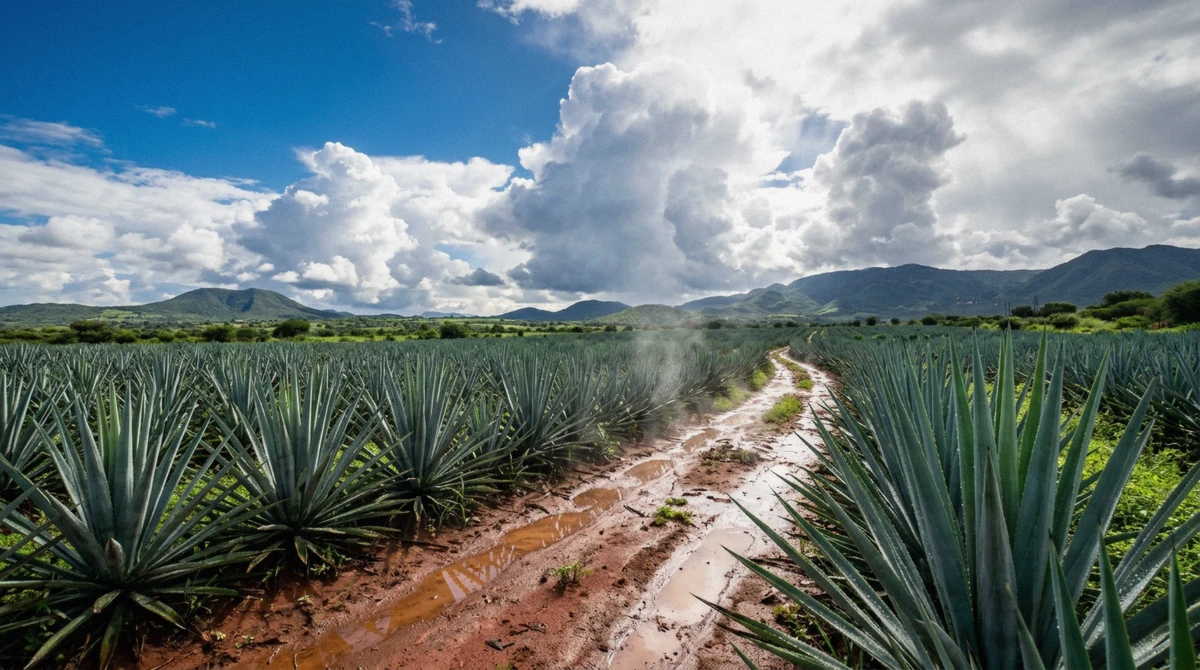
The rainy season changes three places outside the city in three different ways, and none of them cancels the day.
The tequila valley: green rows, wet stone
The agave fields around Tequila and Amatitán turn a deeper green through the rainy months, and the ground between the rows gets soft rather than dusty. The main change is footing at the field stop and slicker cobblestone once the group reaches Tequila town itself in the late afternoon, right when the day's storm is most likely to be building.
The lake shore: fuller lake, choppier afternoons
Lake Chapala, Mexico's largest freshwater lake at roughly 1,100 km², runs fuller through the rainy season, and the water can turn choppier for the boat ride once afternoon wind picks up ahead of a storm. A morning boat trip from the Chapala pier or Ajijic avoids most of it; that's also true in the dry months, but the margin for a lazy start shrinks.
The sierra: the season it's built for
Mazamitla and the eco-park in the Sierra del Tigre are arguably better in the rains than out of them. The waterfall at Cascada El Salto runs stronger, the forest is at its greenest, and the elevation, about 600 meters above the city, keeps the afternoon heat that drives storms elsewhere from building the same way. Toll roads on the way up can still run wet, which is the driving question the safety guide covers rather than a weather one.
The Event Calendar Worth Planning Around
Two dated events on the calendar are worth building a trip's timing around, plus two more worth knowing about even without a fixed date.
Fiestas de Octubre, in the city itself
Guadalajara's own fair runs from 2 October to 1 November 2026 at the Auditorio Jalisco in Zapopan, with fairground entry running MX$50 to MX$100. It overlaps almost exactly with the reset month above, so an October trip can pair a morning day trip with an evening at the fair without losing a day to travel either way.
Feria Nacional del Tequila, in Tequila town
Tequila's own fair, now in its 47th edition, runs 29 November to 15 December 2026. Weekends inside that window are the busiest of the entire tequila season, fares on the routes into town climb accordingly, and booking a route in advance matters more than at any other point in the year; what a tequila day actually costs breaks down how much that seasonal premium runs.
Two more worth knowing, without fixed dates
Guachimontones runs an equinox festival in March most years, timed to the site itself rather than a fixed calendar date, and Guadalajara's international mariachi festival runs in late August and early September. Neither has a confirmed 2026 date reliable enough to publish here, so check closer to a spring or late-summer trip if either interests you.
So When Should You Go
Four seasons, one honest ranking.
The short version
November through February is the safest bet for dry roads and comfortable mornings, October is the single best month if a trip has to land on one, and the rainy months from June to September still work as long as the day is built around a morning departure. The one month to build around rather than avoid entirely is the run-up to Semana Santa in late March or April, when heat and crowds spike together. Two or three days is generally enough to fit one route each into the tequila valley, the lake and either the sierra or the pyramids; stacking more than that starts repeating the same drive rather than adding new ground.
That is the same conclusion day trips out of Guadalajara reaches when comparing all twelve routes side by side, and it holds regardless of which season a trip lands in.
Questions About the Best Time to Visit
What is the rainy season like in Guadalajara?
It runs roughly June through September or October, with July the wettest month at about 219 mm. Storms typically build through the afternoon and break in the evening rather than lasting all day, so a morning departure on any route still works through the rainy season.
Which months have the driest roads for a day trip?
November through February and again in March, which is the single driest month at about 4 mm of rain. Both windows give the most reliable driving conditions on the routes to Tequila, Chapala and the sierra.
Is Guadalajara worth visiting outside the dry season?
Yes. The rainy months change footing and afternoon conditions rather than closing anything down, and the sierra around Mazamitla is arguably at its best when the rains are running, with a fuller waterfall and greener forest.
When does Fiestas de Octubre take place?
From 2 October to 1 November 2026, at the Auditorio Jalisco in Zapopan. It falls inside the reset month, when dry roads have already returned from the rainy season.
Is it safe to plan day trips in Guadalajara right now?
The routes covered on this site fall inside the part of the state not flagged for restricted travel by the current US advisory; the full breakdown, area by area, is on the day-trip safety guide.
How much colder does it get in Mazamitla than in the city?
Mazamitla sits at about 2,200 meters, roughly 600 meters higher than Guadalajara, and runs noticeably cooler year round as a result. A layer is worth packing for the eco-park regardless of the month.